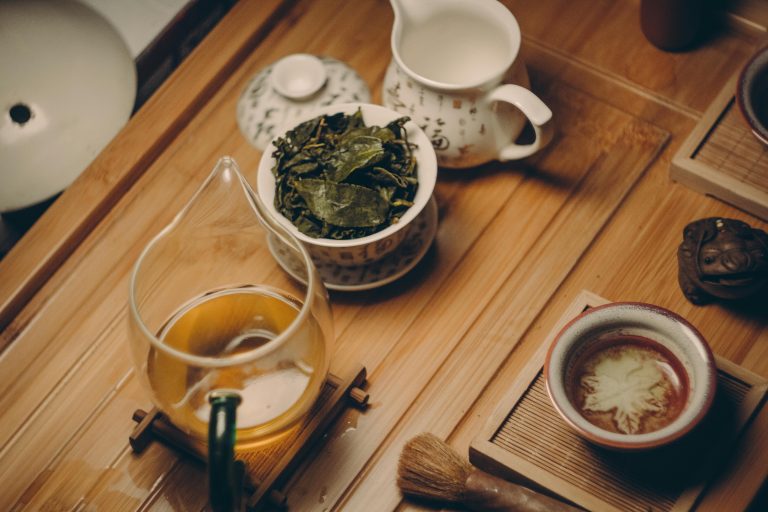
The Health Benefits of Clove Tea: A Natural Remedy for Body and Mind
Cloves, also known as laung, have been a staple in Indian cuisine for centuries. Beyond their aromatic flavor, cloves are celebrated for their medicinal and healing properties. Rich in antioxidants, vitamins, and essential compounds, cloves provide a wide range of health benefits that can be harnessed daily—particularly through clove tea.
Origins and Composition of Cloves
Cloves are the aromatic flower buds of the tree Syzygium aromaticum, a member of the Myrtaceae family, native to Indonesia’s Maluku Islands. They are widely used as a spice in Asian, African, Mediterranean, and Middle Eastern cuisines, flavoring meats, fruits, curries, and beverages. Cloves are also incorporated into consumer products like toothpaste, soaps, and cosmetics.
The active compound eugenol, present in 80–90% of clove oil, gives cloves their distinctive flavor and accounts for many of their therapeutic properties.
Nutritional Profile
Cloves are packed with nutrients and antioxidants. One teaspoon of ground cloves provides:
- 3% of the recommended daily intake (RDI) of Vitamin C
- 4% of RDI of Vitamin K
- 30% of RDI of manganese
- Trace amounts of calcium, magnesium, and Vitamin E
- A good source of dietary fiber
Vitamin C and eugenol act as antioxidants, protecting the body from oxidative stress, while manganese supports strong bones.
Key Health Benefits of Clove Tea
1. Oral Health
Clove tea has anti-inflammatory and antimicrobial properties that help relieve toothache, gum pain, and bad breath. Gargling warm clove tea or applying clove oil directly to gums and teeth can combat bacteria, reduce plaque, and alleviate dental discomfort naturally.
2. Respiratory Support
Cloves act as a potent expectorant, making clove tea effective for clearing congested sinuses, bronchitis, colds, coughs, and mucus buildup. Eugenol generates a warming effect that promotes the removal of phlegm and supports respiratory health.
3. Anti-Fever and Immunity
Clove tea is antipyretic, helping to lower body temperature during mild fevers while supporting immune function through its antibacterial properties.
4. Blood Sugar Regulation
Cloves contain polyphenolic compounds that can help regulate blood glucose levels, benefiting those with diabetes or prediabetes. Regular consumption of clove tea may aid in controlling post-meal sugar spikes.
5. Digestive Health and Weight Management
Drinking clove tea before meals stimulates saliva production and blood flow, enhancing digestion. Its anti-emetic properties reduce nausea, while its metabolism-boosting effects support weight management. Cloves also help eliminate intestinal parasites and alleviate related abdominal discomfort.
6. Pain Relief and Anti-Inflammatory Effects
Cloves serve as natural analgesics. Cold clove tea compresses can reduce joint pain, muscular soreness, edema, and arthritis-related discomfort when applied for 20 minutes several times daily.
7. Skin and Acne Care
Clove oil in tea helps combat acne and pimples due to its antibacterial and anti-inflammatory properties. Applying clove tea or oil to affected areas can reduce inflammation and bacterial activity associated with skin breakouts.
8. Urinary Tract Health
Clove extracts demonstrate antibacterial activity against both Gram-negative and Gram-positive bacteria responsible for urinary tract infections, supporting urinary system health.
9. Sexual Health
Clove tea may enhance male sexual wellness by improving blood flow, testosterone levels, libido, and erectile function, making it a natural remedy for male sexual dysfunction recognized in traditional Ayurvedic and Unani medicine.
10. Cancer Support (Preliminary Research)
Experimental studies suggest cloves may inhibit the growth of cancer cells, including colon, breast, and esophageal cancer lines, though further research is needed to confirm clinical benefits.
11. Natural Disinfectant
Cold clove tea can serve as a natural hand sanitizer, effectively reducing bacteria on the skin without the side effects of chemical sanitizers. Its antibacterial and antifungal properties also make it useful for treating minor skin wounds, fungal infections, and cuts.
How to Prepare Clove Tea
Ingredients:
- 1 tablespoon of ground cloves
- 1 cup of water
- Optional: 1 teaspoon of honey
Instructions:
- Boil the water and add the ground cloves.
- Let it steep for 3–4 minutes.
- Strain the tea and allow it to cool slightly.
- Add honey if desired.
- Sip first thing in the morning or before meals for best results.
Tip: Avoid excessive consumption; moderation ensures maximum benefits without adverse effects.
Conclusion
Clove tea is more than a flavorful beverage—it is a powerful natural remedy with far-reaching benefits. From oral and digestive health to immune support, pain relief, skin care, sexual wellness, and preliminary cancer-fighting potential, cloves offer a holistic approach to well-being. Incorporating clove tea into your daily routine can provide a safe, natural, and effective way to support overall health while enjoying a fragrant, soothing drink.